


15 Iconic Woodstock Photos That Will Instantly Transport You Back to the Legendary 1969 Festival
15 Iconic Woodstock Photos That Will Instantly Transport You Back to the Legendary 1969 Festival

Kate Hogan, Emily KrauserSat, August 15, 2026 at 11:15 AM UTC
0
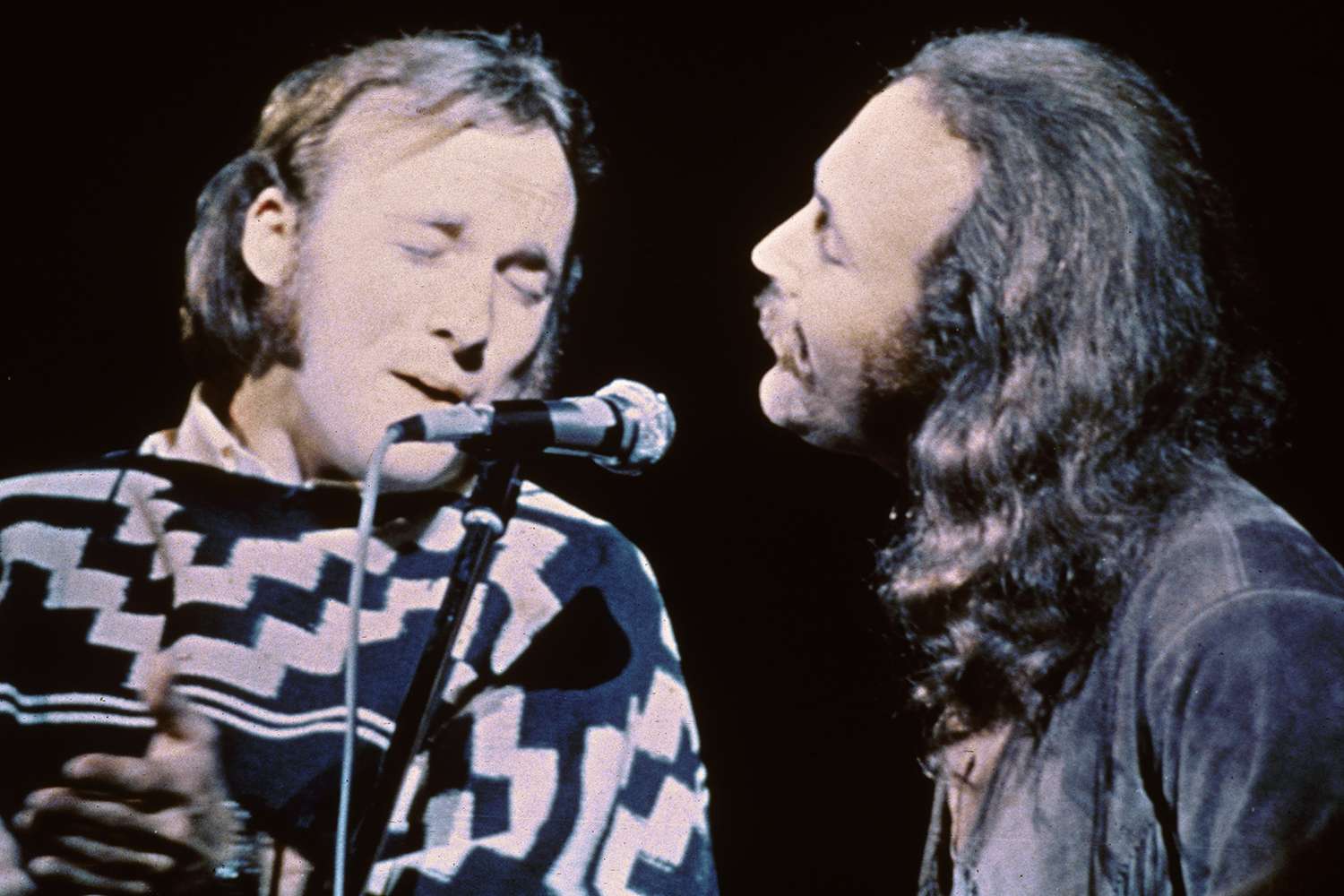
Stephen Stills (left) and David Crosby of the group Crosby, Stills, Nash & Young perform at Woodstock Music and Art Fair in Bethel, N.Y., on Aug. 17, 1969Credit: Fotos International/Getty -
The Woodstock Music and Arts Fair took place in mid-August 1969 on a 600-acre farm in Bethel, N.Y.
Half a million people attended the multi-day, rainy festival
The event coincided with major events grappling the country, including the Vietnam War and civil rights issues
Woodstock remains iconic nearly 60 years after the original festival happened.
Officially dubbed the Woodstock Music and Art Festival, the historic event was held from Aug. 15-18, 1969, on a 600-acre dairy farm in Bethel, N.Y. Half a million people attended the rainy fest, which coincided with the country grappling with major cultural and political issues.
“With everything that was going on in the late 1960s — the war in Vietnam, civil and human rights issues, the Rev. Martin Luther King Jr.’s assassination — we rallied and relied on strength in numbers,” the late Richie Havens, who performed the first set of Woodstock, wrote for CNN in 2009. “We came together communally to be heard and to be acknowledged.”
However, not everyone saw the multi-day festival as magical.
“Woodstock wasn’t peace and love. There was an awful lot of shouting and screaming going on,” The Who singer Roger Daltreytold The New York Times in August 2019. “By the time it all ended, the worst sides of our nature had come out. People were screaming at the promoters; people were screaming to get paid. We had to get paid, or we couldn’t get back home.”
From Jimi Hendrix’s interpretation of “The Star-Spangled Banner” and Joe Cocker’s passionate “With a Little Help from My Friends” to Joan Baez’s performance of “Joe Hill” and Santana playing a version of “Soul Sacrifice” that seemed like it might never end, the artists’ sets were as legendary as the muddy fields.
While Santana became a crowd favorite, other musicians experienced difficulties, such as the Grateful Dead’s extended set, which nearly electrocuted them.
“The people were just glad to be entertained, to get their minds off the rain and wind and mud, no matter what was happening,” singer-songwriter and Grateful Dead guitarist Bob Weir, who died in January 2026, told Rolling Stone in 2019. “Had we played a good set, we probably would have transported them to another reality entirely. Some people made their careers at Woodstock, but we’ve spent about 20 years making up for it.”
Weir added, “It was probably the worst set we’ve ever performed. And to have performed it in front of a crowd that size was not an altogether fulfilling experience.”Below, relive Woodstock through the festival’s most iconic performance photos.
01 of 15
Jimi Hendrix
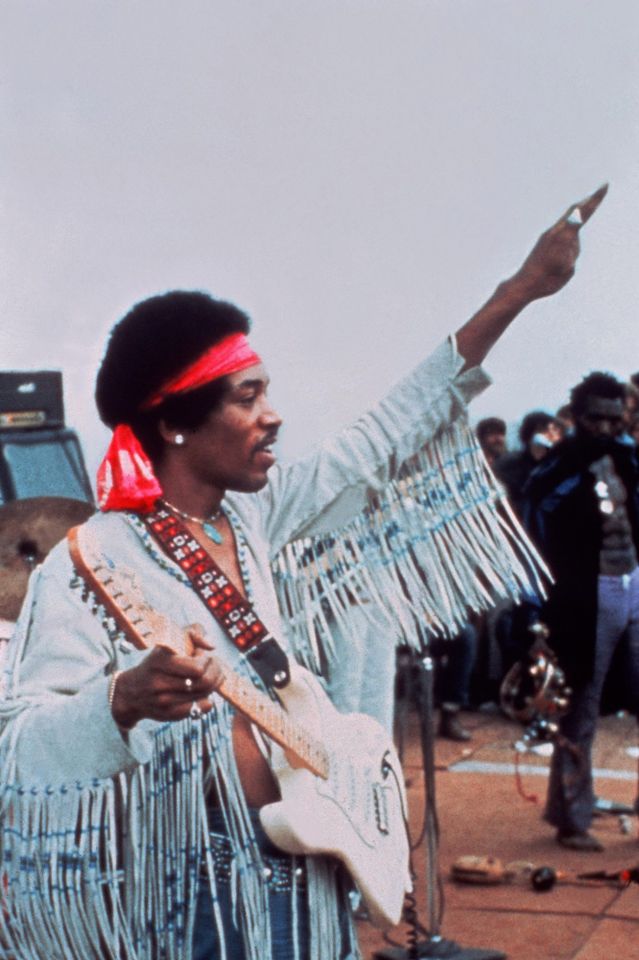
Jimi Hendrix in a scene from the 1970 documentary ‘Woodstock’Credit: Warner Bros/Kobal/Shutterstock
The self-taught guitarist closed out Woodstock with one of the festival’s most memorable sets. He performed fan favorites like “Hear My Train a Comin’” and “Voodoo Child (Slight Return)” before finishing his set with a scorching interpretation of “The Star-Spangled Banner” that has become nearly synonymous with Woodstock.
One month later, during an appearance on The Dick Cavett Show, Hendrix, who had only slept eight minutes the night before the interview, said, “I don’t know, man. I’m an American, so I played it.”
“They made me sing it in school, so it was a flashback,” he told host Dick Cavett of the now career-defining moment.
When Cavett mentioned that playing the song in an unorthodox way is almost guaranteed to garner hate mail, the “Hey Joe” singer cut him off, saying, “It’s not unorthodox! I thought it was beautiful.”
02 of 15
Joan Baez
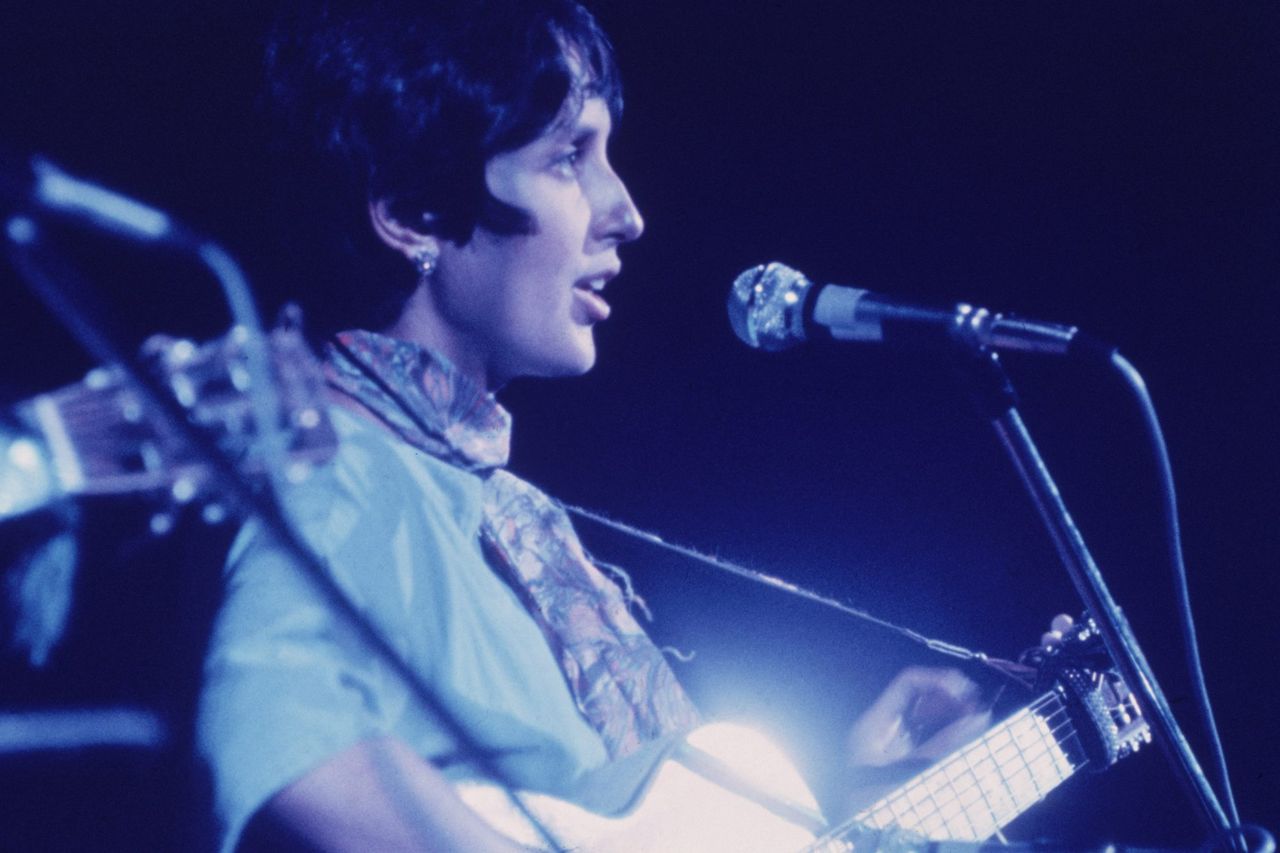
Joan Baez sings and plays the guitar at the Woodstock Music and Arts Fair in Bethel, N.Y., in August 1969Credit: Fotos International/Getty
Baez was six months pregnant when she closed out the first night of Woodstock, taking the stage just before 1 a.m. for what would become a historic performance.
Before performing “Joe Hill,” the folk singer and activist told the crowd, “This is an organizing song,” per Rolling Stone. At the time, her husband David Harris was in prison in Texas after refusing to serve in Vietnam.
When asked if she thought Woodstock had been romanticized over the years, the “Diamonds & Rust” singer told the publication in 2009 that as both a concert and cultural event, “it hasn’t been” and “was fantastic.”
“I think it takes a moment, and then you get that feeling. It was like the March on Washington,” she said. “All of a sudden, you realize there are 350,000 people out there, and something is never going to be the same after that. That is true of Woodstock.”
Baez added, “It wasn’t political. It wasn’t like King, but nothing really was the same after that.”
03 of 15
Richie Havens
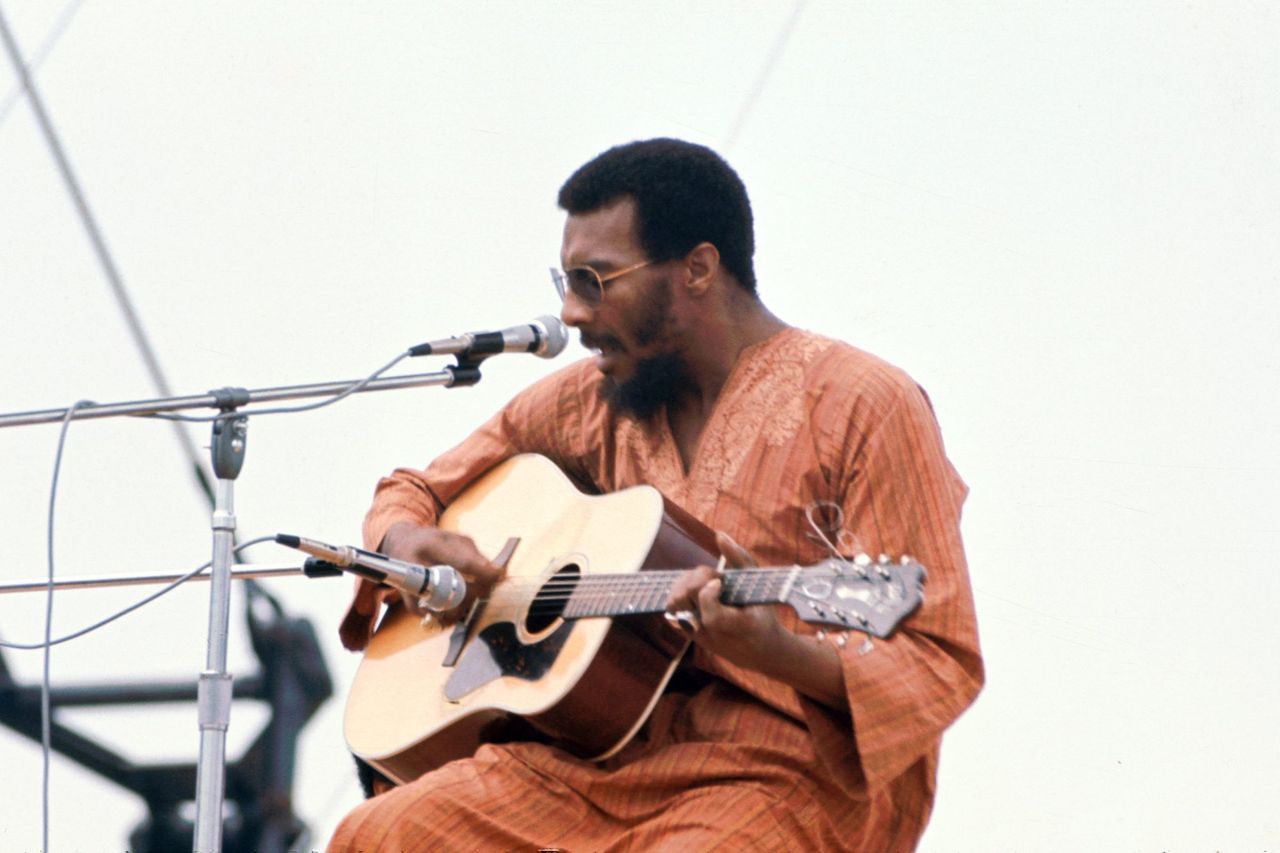
Richie Havens performs onstage at the Woodstock Music and Arts Fair in Bethel, N.Y., on Aug. 15, 1969Credit: Ralph Ackerman/Getty
The soulful folk singer-songwriter kicked off Woodstock with the festival’s first performance. Four artists were scheduled ahead of Havens, but massive traffic delays impeded their arrival, so he took the stage after some convincing by promoters.
Initially planned as a 20-minute set, Havens extended his performance time as the stage was built around him.
His biggest moment came from the song “Freedom,” which he improvised onstage.
“When you see me in the movie [Woodstock] tuning my guitar and strumming, I was actually trying to figure out what else I could possibly play!” Havens wrote for CNN. “I looked out at all of those faces in front of me, and the word ‘freedom’ came to mind.”
04 of 15
Joe Cocker
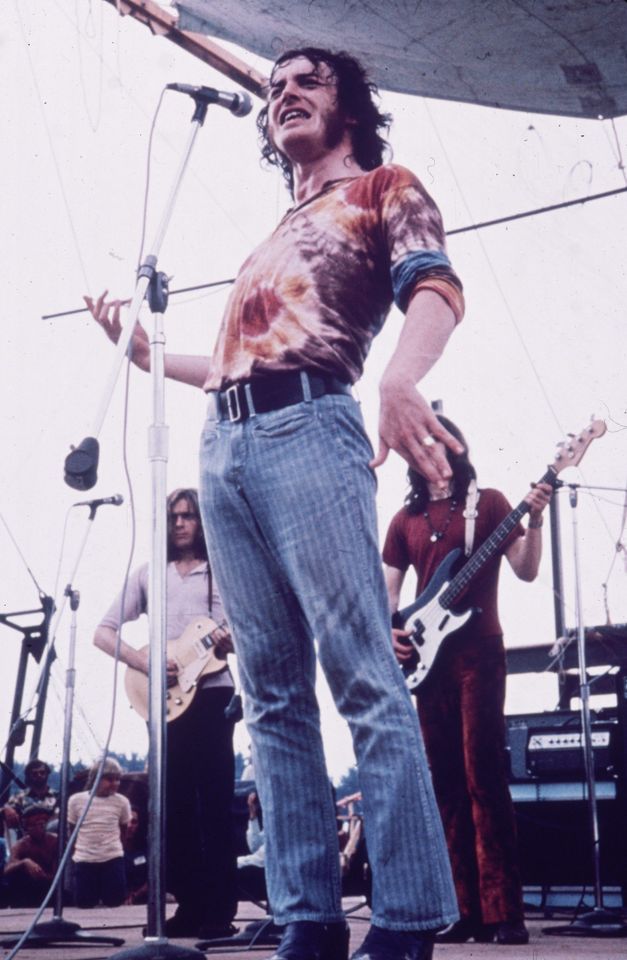
Joe Cocker wears a tie-dyed shirt and blue jeans while performing at the Woodstock Music and Arts Fair in Bethel, N.Y., in August 1969Credit: Fotos International/Getty
Cocker and his group, The Grease Band, recorded a cover of The Beatles’ song “With a Little Help from My Friends” in 1968. His powerful live performance of the tune on the third day of Woodstock put the bluesy British rock singer on the map worldwide.
After the legendary set, the crowd allegedly gave Cocker a standing ovation, but the rocker would later refer to his performance as just “okay.”
“Were we epic? I dunno. We got some nice footage for memories,” he told Louder (formerly Classic Rock) in 2013, referring to the 1970 concert movie and documentary Woodstock. “I was wearing a tie-dyed shirt, and when I took it off after, the colors had stained my chest in the exact same pattern.”
05 of 15
Stephen Stills of Crosby, Stills, Nash & Young
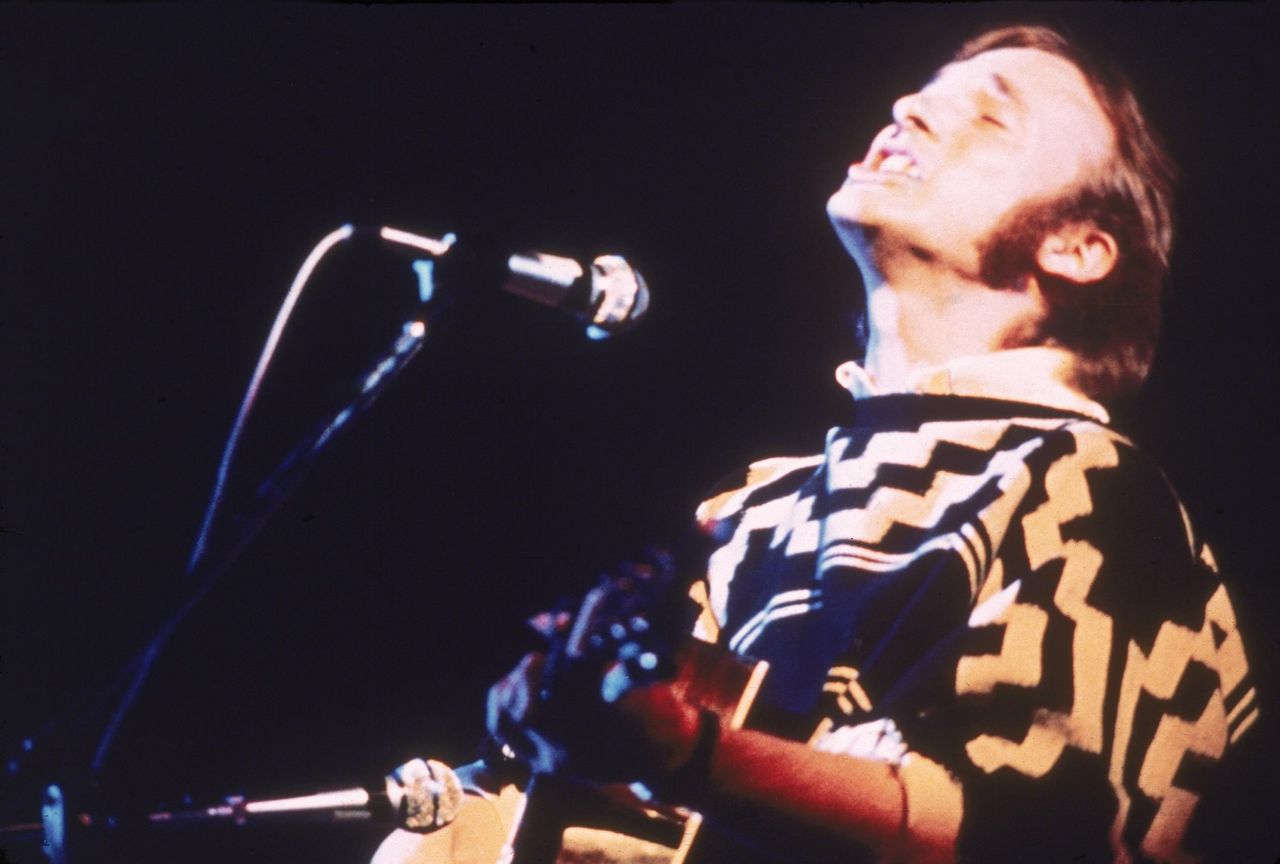
Stephen Stills performs onstage with Crosby, Stills, Nash & Young at the Woodstock Music and Art Festival in Bethel, N.Y., on Aug. 17, 1969Credit: Fotos International/Getty
When Crosby, Stills, Nash & Young took the Woodstock stage after 3 a.m., it was only their second-ever live performance together. The supergroup consisted of David Crosby of the Byrds, Graham Nash of the Hollies and Stephen Stills and Neil Young of Buffalo Springfield.
Onstage, Stills told the crowd that they were “scared s---less“ — but that fear faded once the group got going.
“Scared s--- was gone by, I’d say, bar 16 of the first song at Woodstock,” the singer-songwriter told the Los Angeles Timesin February 2025.
06 of 15
Graham Nash and David Crosby of Crosby, Stills, Nash & Young
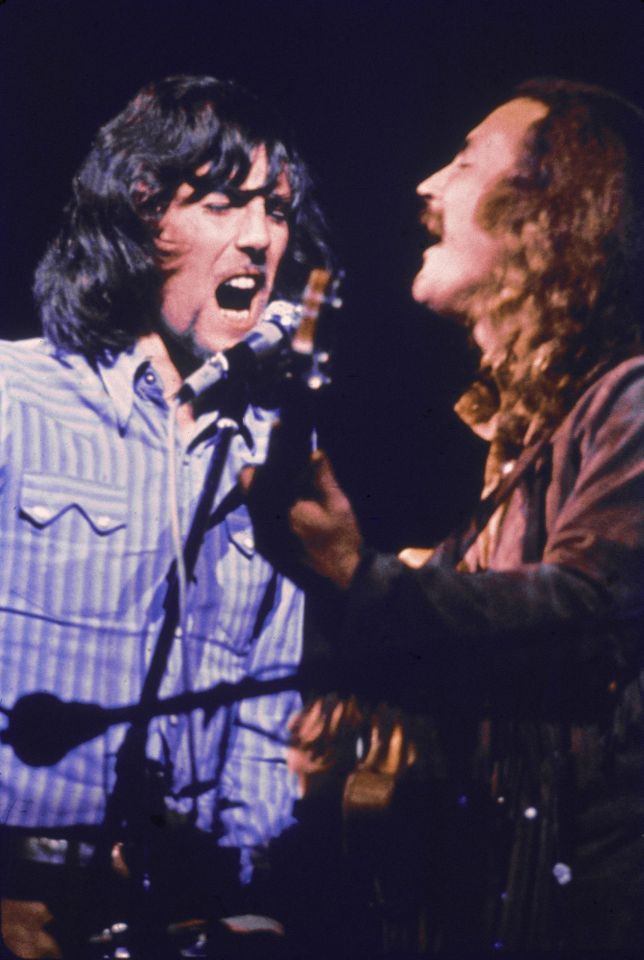
Graham Nash (left) and David Crosby of Crosby, Stills, Nash & Young perform onstage at the Woodstock Music and Art Festival in Bethel, N.Y., on Aug. 17, 1969Credit: Fotos International/Getty
The group — Young joined shortly before Woodstock — performed a mix of acoustic and electric songs during the festival’s wee morning hours, including “Suite: Judy Blue Eyes,” a cover of Paul McCartney’s “Blackbird“ and “Marrakesh Express.”
They reportedly started off the set as a trio, with Young joining in later.
“When we started the suite, it sounded fabulous to me,” Nash told the Los Angeles Times, adding, “You know, Woodstock has taken on this incredible myth in the years since, and I understand why — it was an incredible gathering. But it’s gotten larger and larger and larger, the myth of it all.”
07 of 15
David Brown and Carlos Santana of Santana
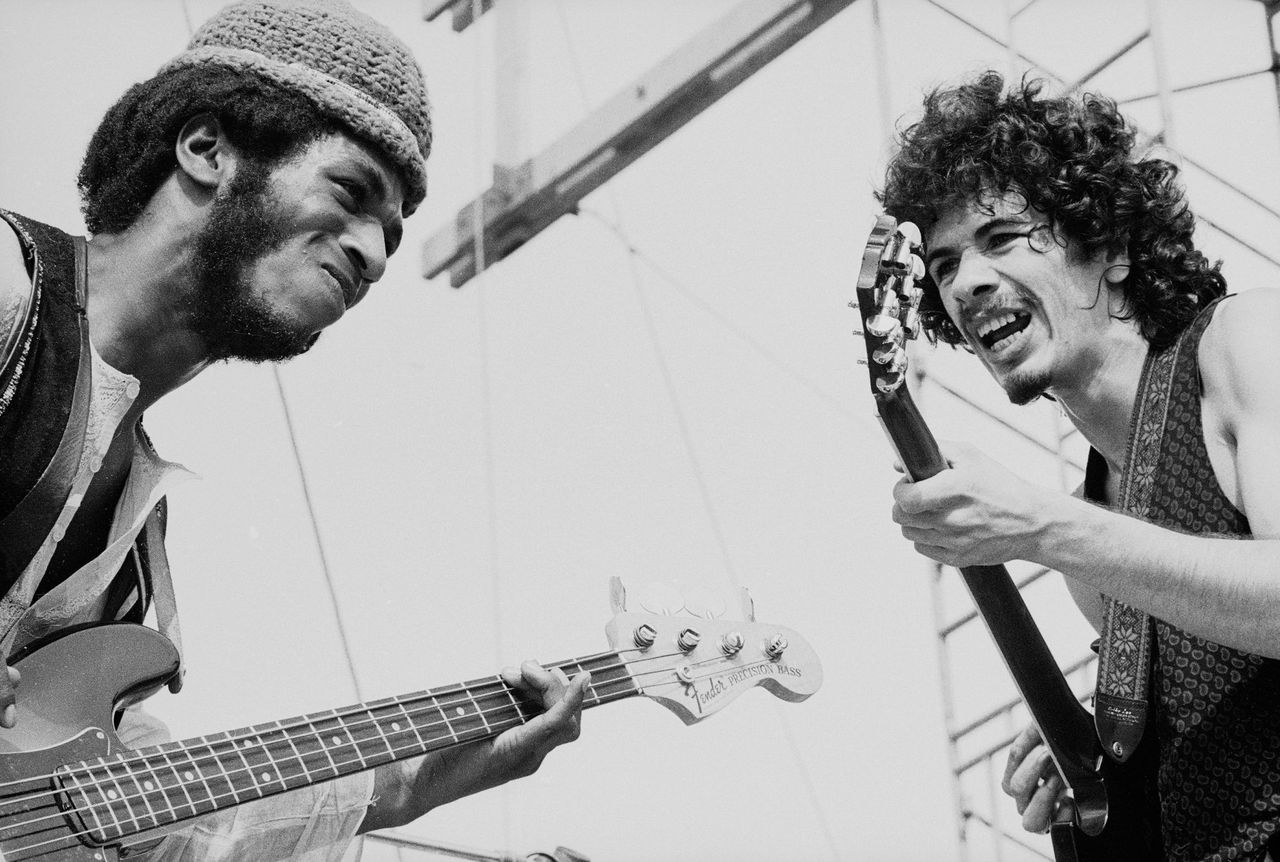
David Brown (left) and Carlos Santana perform with the other members of Santana at the Woodstock Music and Arts Fair in Bethel, N.Y., on Aug. 16, 1969Credit: Tucker Ransom/Getty
A San Francisco-based psychedelic band that fused Afro-Latin rhythms with blues rock, Santana was one of the least-known bands on the festival bill, but their eight-song set on day two became a surprise standout.
During an epic rendition of “Soul Sacrifice,” each band member got their own solo, with then-20-year-old Michael Shrieve’s drumming still spoken about in reverent tones and legendary frontman Carlos Santana showing the world what he could do with a guitar — while accidentally still high from a hallucinogenic drug given to him by friend and fellow performer Jerry Garcia of the Grateful Dead.
“It was like being inside a kaleidoscope,” the guitarist told PEOPLE in June 2023. “And then somebody told me, ‘Trust in God. Just ask him to keep you in time and in tune.’ So I said, ‘God, I really believe in you. If you help me right now, I won’t poo my pants in front of everybody.’ Next thing I knew, we hit the notes and the people went, ‘Wooo!’ ”
The band’s encore song, “Fried Neck Bones and Some Home Fries,” was the only tune they played that day that did not end up on their self-titled debut album, released only days after Woodstock.
Carlos told PEOPLE he was “absolutely not prepared” for the fame that followed.
08 of 15
Grace Slick and Jefferson Airplane
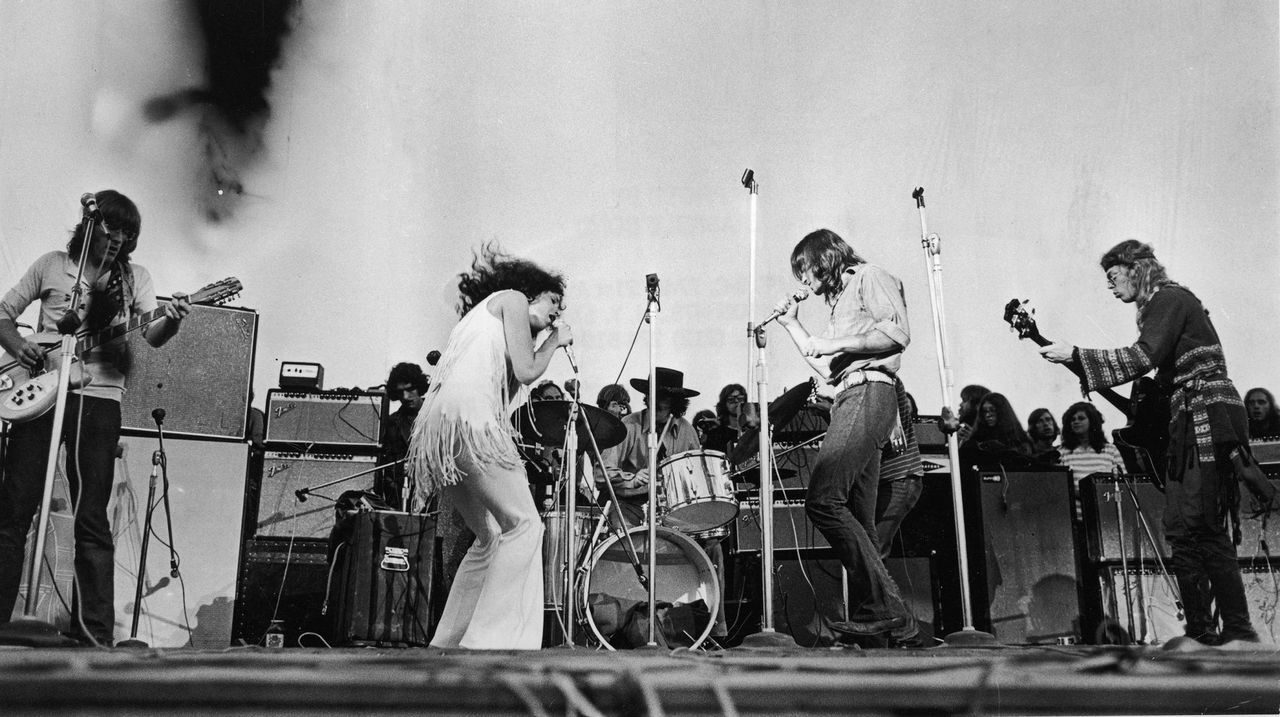
Grace Slick (second, from left) performs with the rock group Jefferson Airplane at the Woodstock Music and Arts Fair in Bethel, N.Y., in August 1969Credit: Getty
Jefferson Airplane hit the stage on the second day of the festival.
Advertisement
The psychedelic rock group was technically the Saturday headliner. However, due to logistical issues, they didn’t take the stage until 7 a.m. on Sunday — after being up for 24 hours and having accidentally taken LSD.
“Alright, friends, you have seen the heavy groups. Now you will see morning maniac music. Believe me, yeah. It’s a new dawn!” lead singer Grace Slick told the audience, per the Bethel Woods Center for the Arts.
Jefferson Airplane performed chilling renditions of their songs, including hits like “Somebody to Love” and “White Rabbit,” and closed out with “The House at Pooneil Corners.”
Despite rave reviews, Slick doesn’t look back at Woodstock with rose-colored glasses. This was partially due to the drugs, as Slick told CBC Radio in August 2019 that she “usually did not take acid on purpose” as it “can really mess with your perception of things,” like playing songs correctly.
“For us, it wasn’t quite as marvelous as it might be for somebody who’s 18 years old. I was 29, so my idea of fun is not having to watch out for a white dress and no bathrooms and playing at six o’clock in the morning,” she told the outlet.
Slick added, “So Woodstock, personally, was not fun. But the idea of it, and the idea that we attracted that many people, was kind of amazing. But that’s all in your head. That’s not what actually happened.”
09 of 15
Jerry Garcia of the Grateful Dead
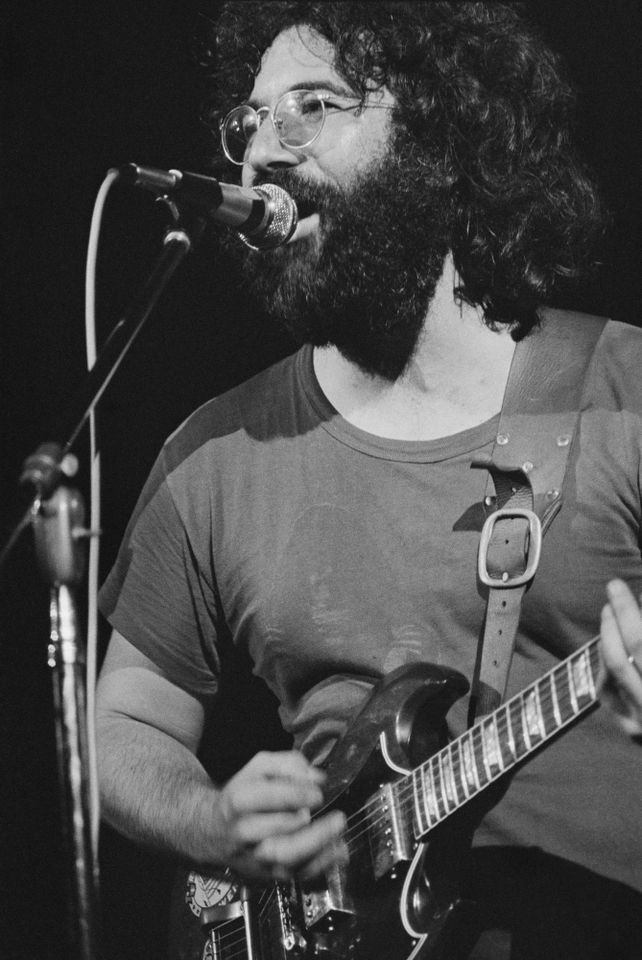
Jerry Garcia performs with American rock group The Grateful Dead at the Woodstock Music and Arts Fair in Bethel, N.Y., on Aug. 16, 1969Credit: Archive Photos/Getty
Garcia and the Grateful Dead were only supposed to play for 45 minutes on Woodstock’s Saturday bill. Weather and logistical delays caused the San Francisco jam band — then not nearly as well known to East Coasters — to go on 90 minutes late at 10:30 p.m., and their extended set lasted almost two hours.
The band performed a total of five songs, including opening with “Saint Stephen” and playing the then-unrecorded Garcia-penned ballad “High Time.” There were a multitude of issues during their festival performance, which wasn’t included in the original 1970 Woodstock docufilm and live album.
One major problem was sound engineer Owsley “Bear” Stanley tinkering with the setup for two hours to accommodate the group’s notoriously heavy equipment, including removing the grounding.
Weir told Rolling Stone that “the rain was part of our nightmare” and that “every time I touched my instrument, I got a shock.”
“The stage was wet, and the electricity was coming through me. I was conducting!” he said. “Touching my guitar and the microphone was nearly fatal. There was a great big blue spark about the size of a baseball, and I got lifted off my feet and sent back eight or 10 feet to my amplifier.”
10 of 15
John Fogerty of Creedence Clearwater Revival
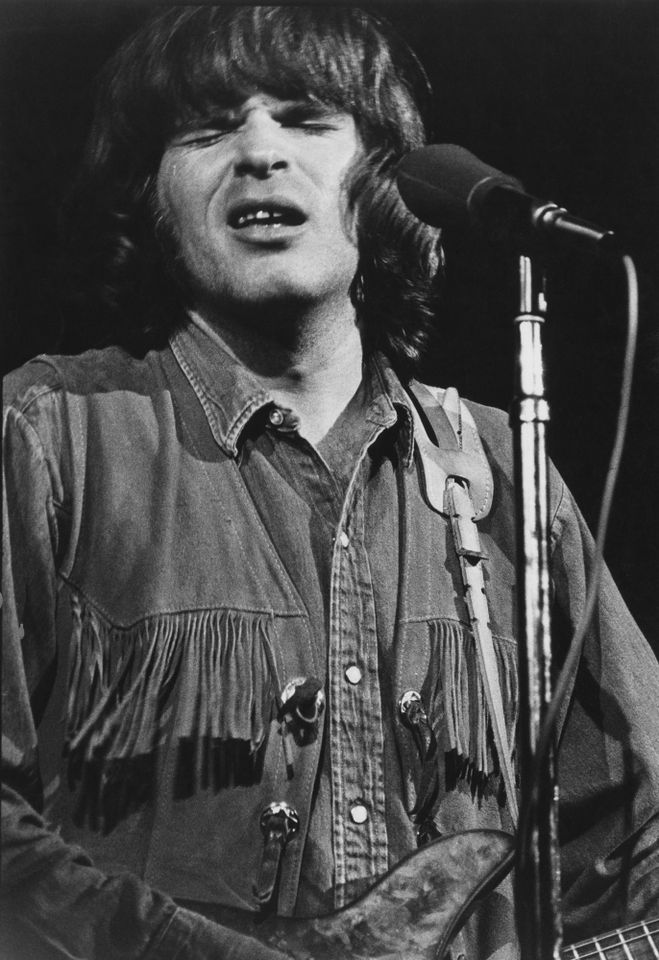
John Fogerty performs with American rock group Creedence Clearwater Revival at the Woodstock Music and Arts Fair in Bethel, N.Y., on Aug. 17, 1969Credit: Tucker Ranson/Pictorial Parade/Archive Photos/Getty
One of the most popular bands on the bill and the first to sign on to the festival, Creedence Clearwater Revival hit the stage on day two at 1 a.m. The swamp rock pioneers followed the Grateful Dead, a fellow Bay Area band that played for nearly three hours after dropping LSD.
Lead singer-songwriter and guitarist John Fogerty blames the Dead for his band’s sleepy reception.
“At the time, I was what you would call pissed off. They sabotaged our chance in the limelight,” he told the Los Angeles Times in August 2019. “But over time, I have developed quite an affection for the Dead.”
Fogerty feels CCR played “a great set,” which they kicked off with “Born on the Bayou” and included “Bad Moon Rising,” “Proud Mary” and “Suzie Q,” but says “there was almost no reaction,” which is part of the reason he didn’t allow CCR’s set to be included in the Woodstock documentary and live album.
“About halfway through, I went to the microphone and said, ‘We’re playing our hearts out for you and want you to have a good time.’ And from the back of the field somewhere, I heard a voice shout, ‘Don’t worry about it, John,’ “ he told the publication. “So, in my mind, there was one guy who was awake, and we finished our set for that guy.”
11 of 15
Sly Stone of Sly and the Family Stone
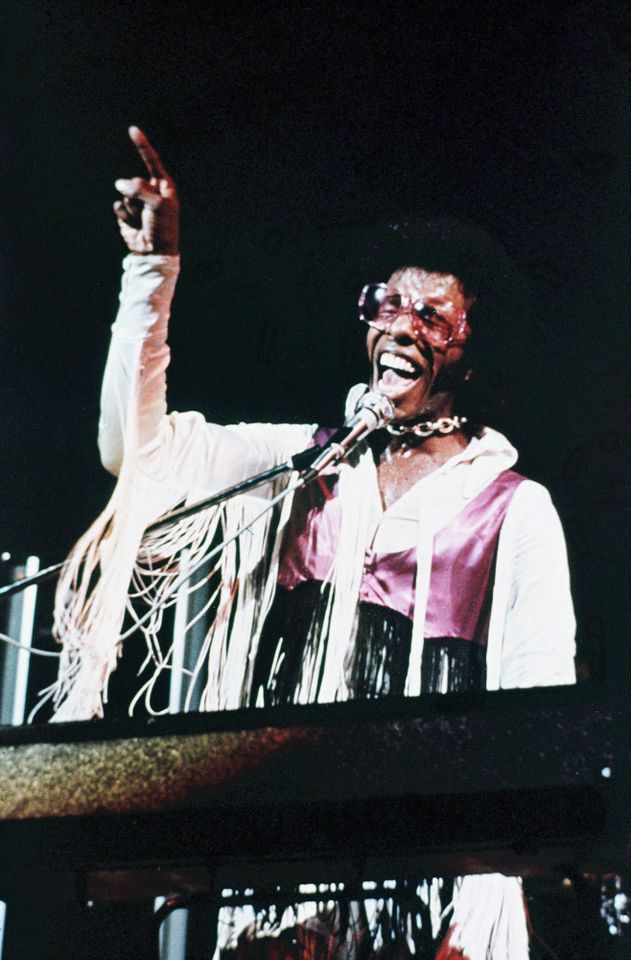
Bandleader Sly Stone of Sly & The Family Stone’s in a scene from the 1970 documentary ‘Woodstock’Credit: Warner Bros/Kobal/Shutterstock
Despite a downpour earlier in the day and delays that caused them to not go on until 3:30 a.m. — including the late Sly Stone having to be convinced to get onstage — Sly and the Family Stone played one of the most memorable sets of the festival.
The band was a progenitor of blending funk, soul, R&B, psychedelic rock and gospel, and their blazing performance kicked off with “M’Lady” and included their hits “Everyday People“ and “Dance to the Music.”
However, it was their live rendition of “I Want to Take You Higher” that is long remembered as the peak of their Woodstock performance and was immortalized in the 1970 concert doc and album.
“It was pouring rain. Freddie got shocked. The equipment was crackling. But Sly was like a preacher,” trumpet player Cynthia Robinson told PEOPLE in 1996 about their performance of the song. “He had half a million people in the palm of his hand.”
In his 2023 memoir Thank You (Falettinme Be Mice Elf Agin), Stone recalled the call-and-response of the Woodstock crowd as feeling “like a church.”
“The horns went up into the sky. When the show was over, we were wet and cold …” the bandleader wrote, per Rolling Stone. “By the next day, it was clear that Woodstock had been a big deal, and that we had been a major part of that deal.”
He added, “The festival had put a spotlight on lots of groups, but us and Jimi the most.”
12 of 15
Roger Daltrey of The Who
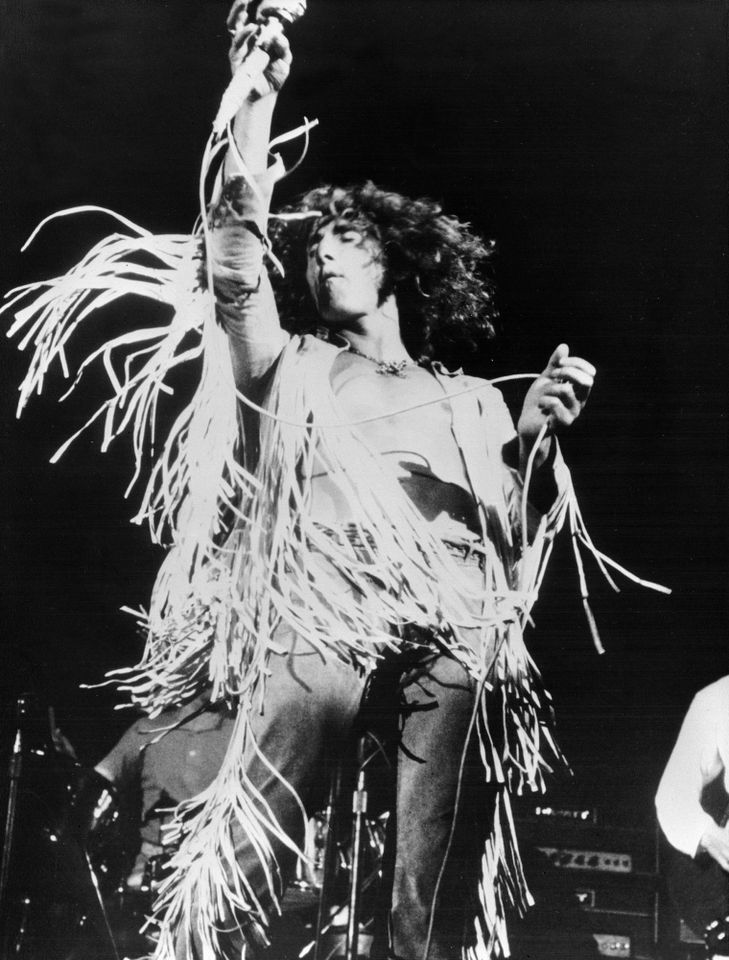
Singer Roger Daltrey performs with The Who during a scene from the 1970 documentary ‘Woodstock’Credit: Warner Bros/Kobal/Shutterstock
Many bands on the Woodstock bill weren’t nearly as well-known at the time as they are today. The Who was not one of those groups.
Considered one of the best bands in the world, The Who delivered a loud, iconic performance long remembered as a Woodstock favorite. Going on at 5:30 a.m. on Aug. 17, the group’s set included their first single “I Can’t Explain” and their rock opera double album Tommy, featuring “Pinball Wizard.”
The set was full of big moments, like the sun rising as the British rockers performed “See Me Feel Me,” a stage-storming interruption by late political activist Abbie Hoffman and an encore with a riff-filled rendition of “My Generation.”
Not everyone loved the performance, though. While lead vocalist Daltrey considered Woodstock a sign that The Who was hitting it big in the United States, he also described it as the band’s worst show ever.
“It was a particularly hard one for me, because of the state of the equipment. It was all breaking down,” he recounted to The New York Times in 2019. “I’m standing in the middle of the stage with enormous Marshall 100-watt amps blasting my ears behind me. Moon on the drums in the middle. I could barely hear what I was singing.”
13 of 15
Janis Joplin
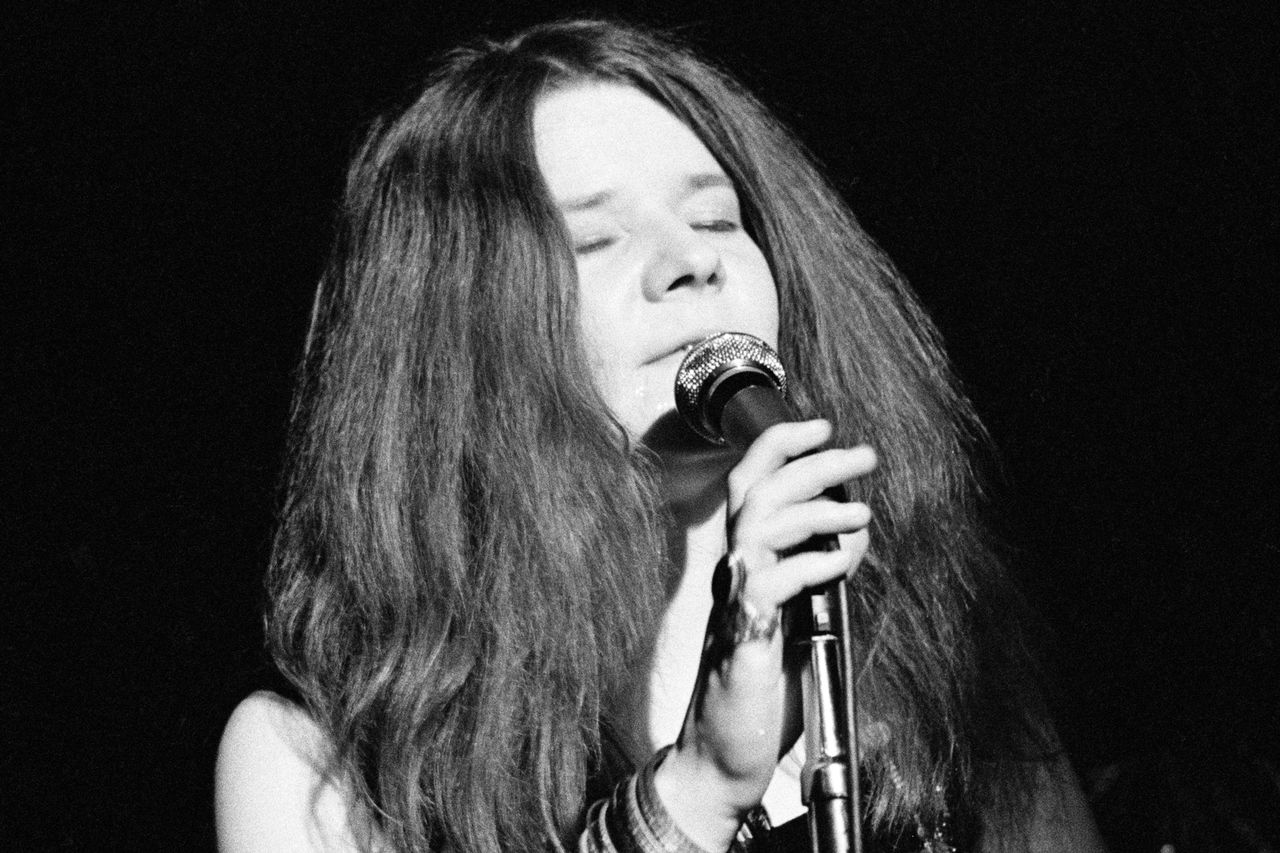
Janis Joplin performs at the Woodstock Music and Arts Fair in Bethel, N.Y., on Aug. 17, 1969Credit: Graphic House/Archive Photos/Getty
One of the most anticipated performers of the festival, rock legend Janis Joplin and the Kozmic Blues Band took to the stage at the wee hour of 2 a.m. on day two.
The Texas-born crooner played several songs that would go on her first solo album, including “Try (Just a Little Bit Harder)” and a cover of the Bee Gees’ “To Love Somebody,” before closing out her hour-long set with her biggest hit to date, “Piece of My Heart.”
Tragically, Joplin died of a heroin overdose on Oct. 4, 1970, a little over a year after her Woodstock performance. She was 27. Her second and final album, Pearl, was released posthumously in 1971.
14 of 15
John Sebastian
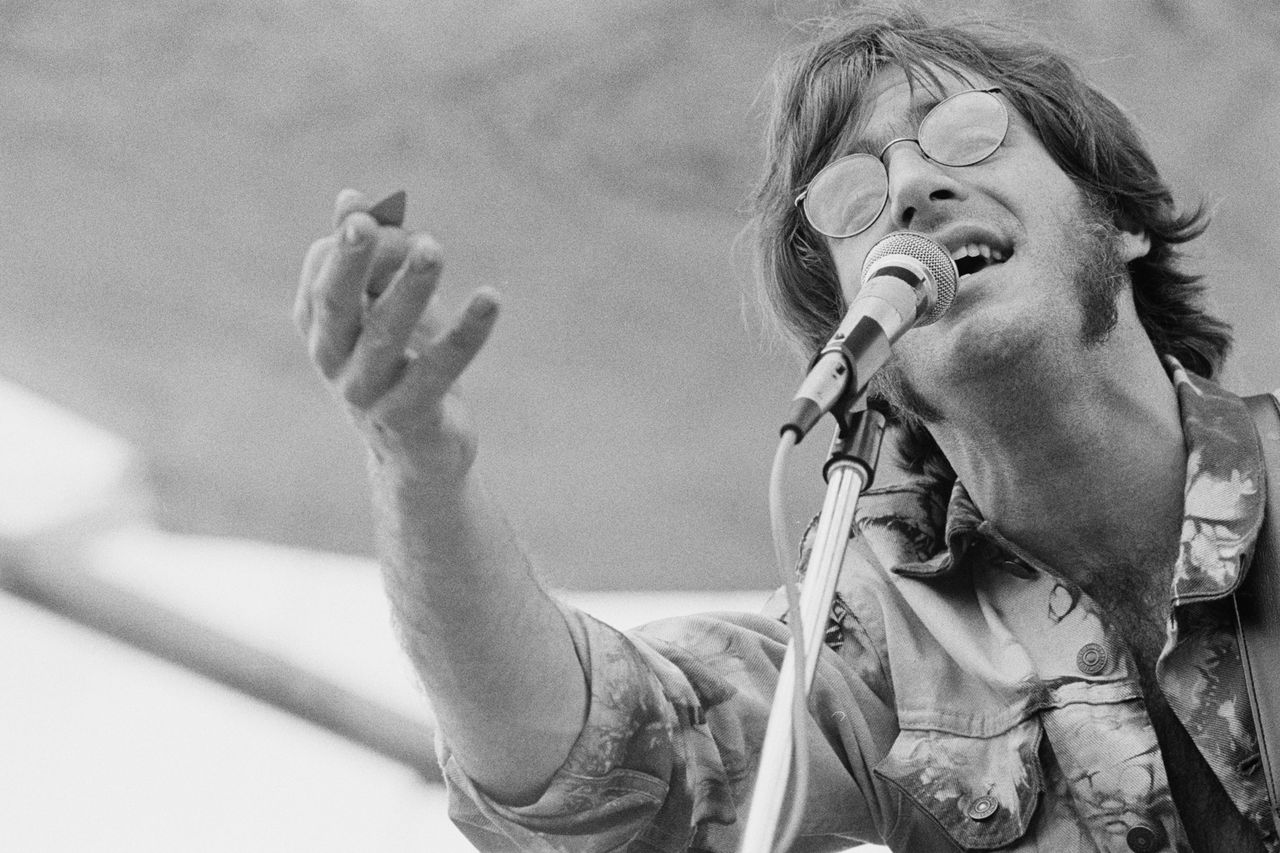
John Sebastian performs at the Woodstock Music and Arts Fair in Bethel, N.Y., on Aug. 16, 1969Credit: Graphic House/Archive Photos/Getty
John Sebastian, the former lead singer of The Lovin’ Spoonful, was at Woodstock as a festivalgoer and not scheduled to perform.
Perform he did. On day two of the festival, MC Chip Monck requested that the singer-songwriter take the stage between acts, as they needed “somebody to hold [the crowd] with one acoustic guitar,” Sebastian recalled in a 2009 interview, per Bethel Woods Center for the Arts.
Sebastian sang for about 25 minutes in the afternoon, and his tender acoustic performance wowed the crowd enough that they cheered for an encore.
15 of 15
Miller Anderson
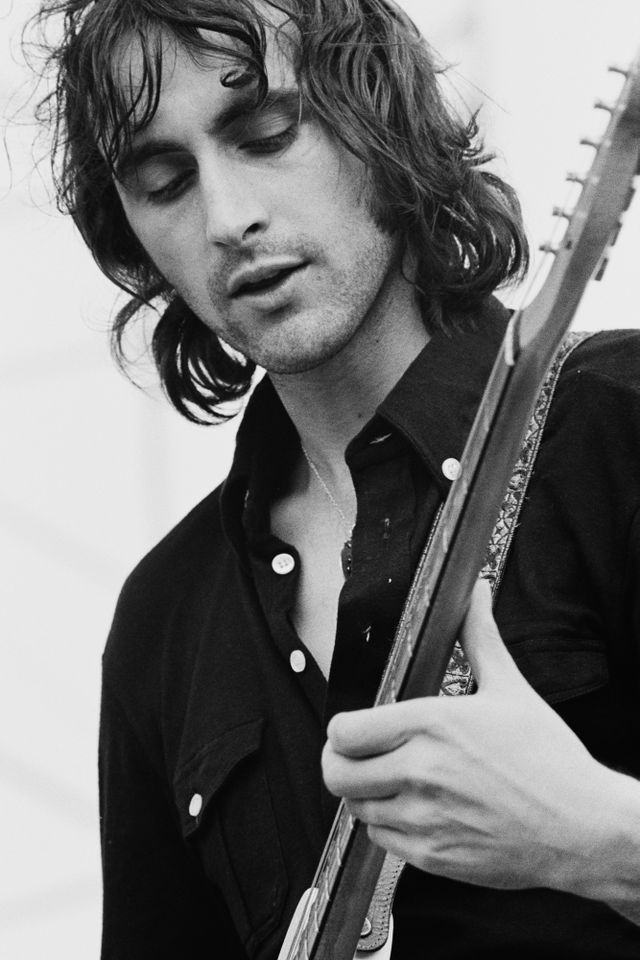
Miller Anderson plays with the Keef Hartley Band at the Woodstock Music and Arts Fair on Aug. 16, 1969Credit: Graphic House/Archive Photos/Getty
U.K. blues and rock guitarist Miller Anderson played with the relatively unknown Keef Hartley Band, which went onstage after Santana on the afternoon of day two.
Bethel Woods Center for the Arts reported that Anderson thought Santana was “fantastic” when they started playing, and “we just stood on the side and said, ‘Oh, Jesus, we’re on next!’ ”
Anderson told DMME.net in March 2008 that the band’s Woodstock lineup was “new” and “very under-rehearsed.”
“We did not play well as we could not use our own equipment,” he said. “We used Santana’s gear. It was a missed chance for the band.”
on People
Source: “AOL Entertainment”
