


Farm linked to explosive diarrhea outbreak hadn’t been inspected in 7 years: report
Farm linked to explosive diarrhea outbreak hadn’t been inspected in 7 years: report

Julia MustoWed, August 12, 2026 at 4:58 PM UTC
339
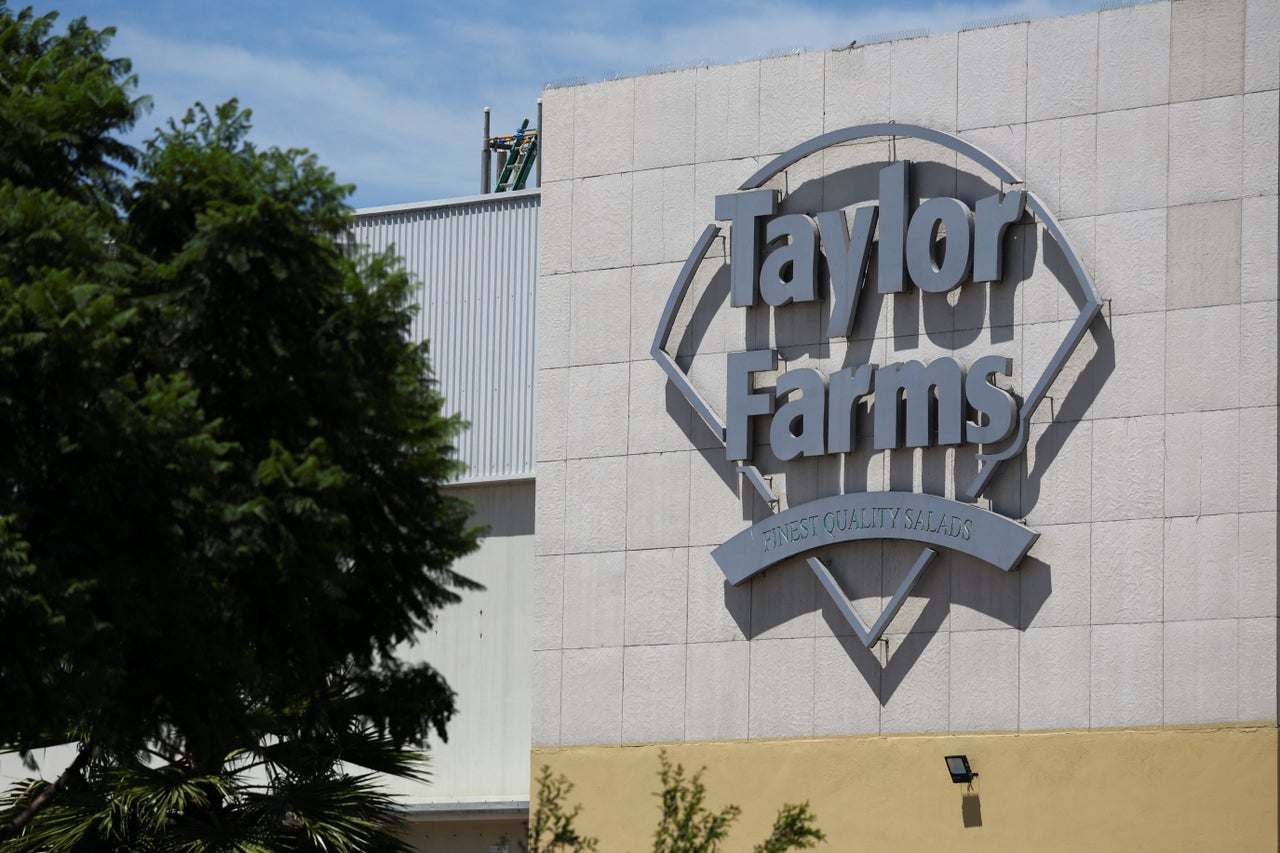
Taylro’s Farms in Mexico hasn’t undergone a federal inspection in years, according to a new report. The produce company has been linked to the cyclosporiasis outbreak (Reuters)
The Independent and Yahoo will earn a commission from purchases made via links in this article. Pricing and availability are subject to change.
The Mexico farm linked to America’s largest outbreak of the deadly explosive diarrhea-causing cyclosporiasis had not been inspected by the U.S. Food and Drug Administration in seven years, according to a new report from CBS News.
Infections linked to contaminated lettuce from California salad-maker Taylor Farms’ facility in Guanajuato state have been linked to the deaths of two people and thousands of America’s nearly 25,000 cyclosporiasis cases.
The last inspection at the facility in 2019 had found no violations and a previous review responding to a 2013 outbreak of the same parasitic disease found the facility was recycling wash water but couldn’t pinpoint the outbreak’s source, CNN and CBS say.
The reports come as questions swirl surrounding food safety in the U.S. For one, the FDA hasn’t been meeting goals for inspections at foreign facilities for years.
The agency was instructed to target a goal of nearly 20,000 foreign food facility inspections per year under the Obama-era Food Safety Modernization Act - a number the FDA said it wasn’t planning to meet in 2015, according to a Government Accountability Office report.
The agency typically conducts around a thousand yearly inspections.
The Trump administration has cut staffing responsible for booking travel for foreign inspections last year. Although, some of them were reinstated, according to STAT. Inspectors, who assess compliance with regulations, were not laid off, former Commissioner Marty Makary said at the time, but staffing has long been a problem.
Still, the administration’s staffing cuts last year were tied to a historic low in foreign food safety inspections, a ProPublica analysis of federal data found. The analysis cited two dozen former and then-current FDA officials.
Advertisement
“There are going to be things that fall through the cracks, and these things aren’t negligible,” an FDA investigations official who spoke on the condition of anonymity warned ProPublica.
It’s hard to know if that happened in the most recent outbreak.
Domestic inspections typically occur every 3 to 5 years, according to the FDA, with higher risk facilities being inspected more often. But international inspections are much costlier and have more time between them than domestic inspections.
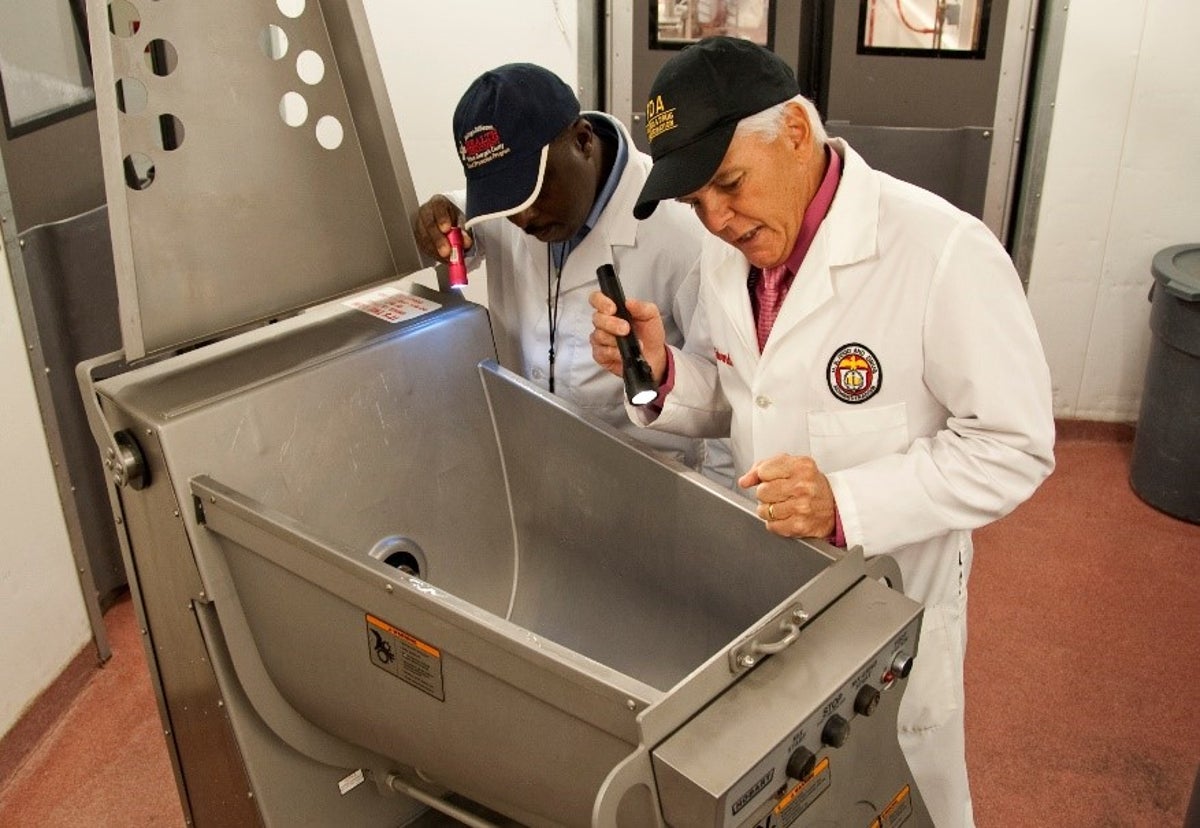
Food and Drug Administration inspectors were not laid off last year - but officials said cuts still had impacts. The FDA says inspection is only part of the picture (FDA)
In response to the report, the FDA said its oversight of imported food goes “well beyond on-site inspections.”
“Under President Trump and Secretary Kennedy, the agency operates a comprehensive, risk-based system to keep America’s food supply safe, including import screening, sampling and laboratory testing, import alerts, detention without physical examination when warranted, foreign supplier verification requirements, third-party certification and coordination with foreign regulatory authorities,” an unnamed spokesperson for the Department of Health and Human Services told The Independent.
“Inspection frequency alone paints an incomplete picture,” they said.
Instead of inspecting foreign facilities annually, the agency aims its resources where they are most needed, the spokesperson noted.
Last year, the FDA announced it would expand unannounced inspections at foreign facilities.
“While U.S. manufacturers undergo frequent, unannounced inspections, foreign firms have often had weeks to prepare, undermining the integrity of the oversight process. Despite the advanced warning that foreign firms receive, the FDA still found serious deficiencies more than twice as often than during domestic inspections,” the FDA said.
Source: “AOL Breaking”
