


Ofcom criticism of BBC satire show ‘will have chilling effect on comedy’
Ofcom criticism of BBC satire show ‘will have chilling effect on comedy’

Cameron HendersonSat, August 15, 2026 at 6:12 PM UTC
0
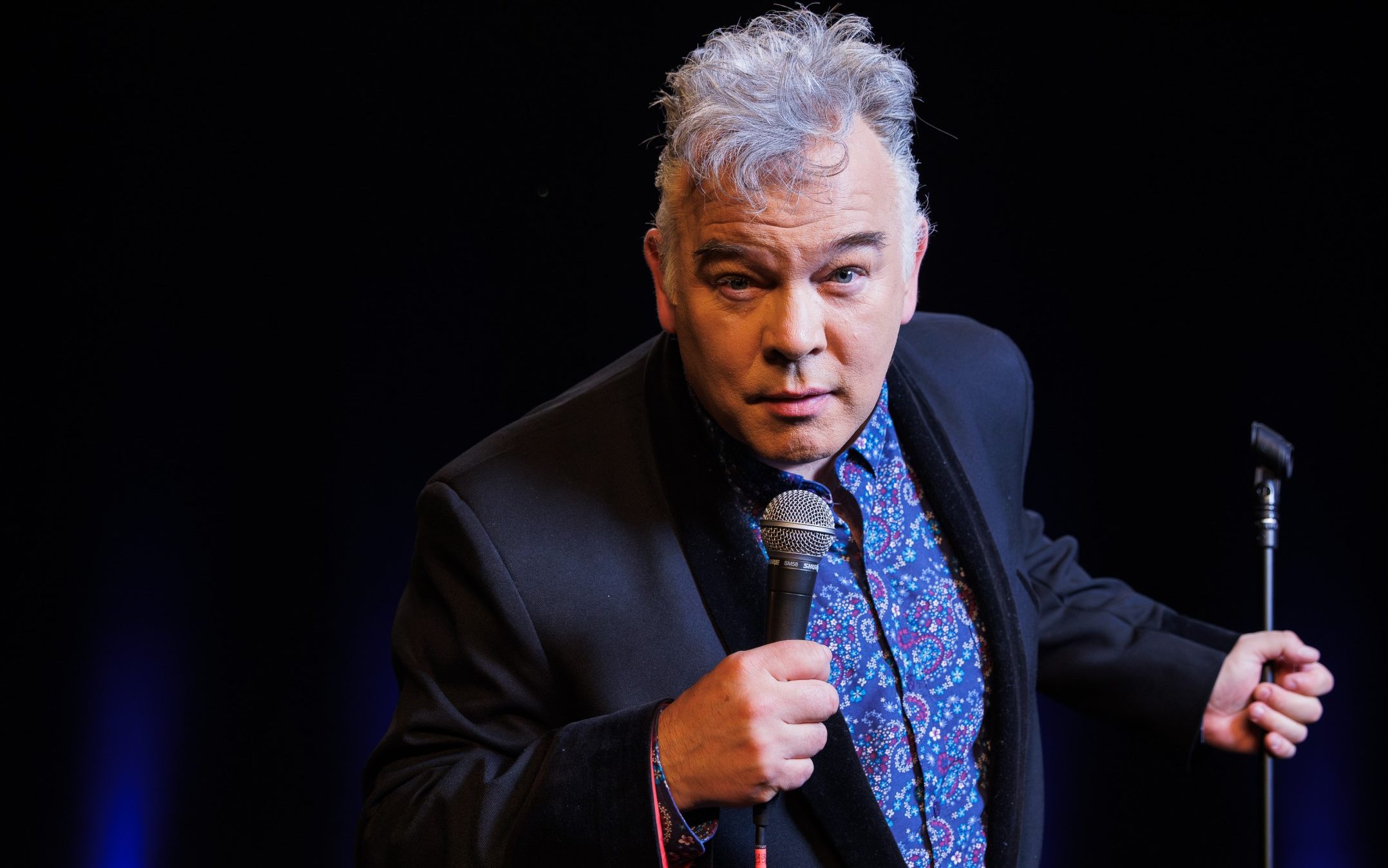
Stewart Lee riffed on the views of James Price, former head of the Oxford Union - Sky UK
Ofcom has been accused of curbing free speech after censuring the BBC for airing a joke in a satirical radio show.
The media watchdog said that the BBC had acted “unfairly” by including a critical remark made by Stewart Lee, the comedian, without first giving the subject of his comments a chance to respond.
Artistic freedom campaigners have said that the ruling “raises real concerns for satire and freedom of expression” and risks having a “chilling effect” on British comedy, leading to a situation where “every target of a joke can demand the right to answer back”.
The incident took place on Oct 30 last year during an episode of Radio 4’s Strong Message Here, hosted by Mr Lee and Armando Iannucci, the creator of The Thick of It. The show is described by the BBC as “a satirical programme, which examines political language and rhetoric through a mixture of commentary, analysis and comedy”.
During the segment, Mr Lee accused James Price, the former head of the Oxford Union, of claiming without evidence that donations may have been withdrawn from the debating society after its president-elect appeared to celebrate the killing of Charlie Kirk, the conservative activist.
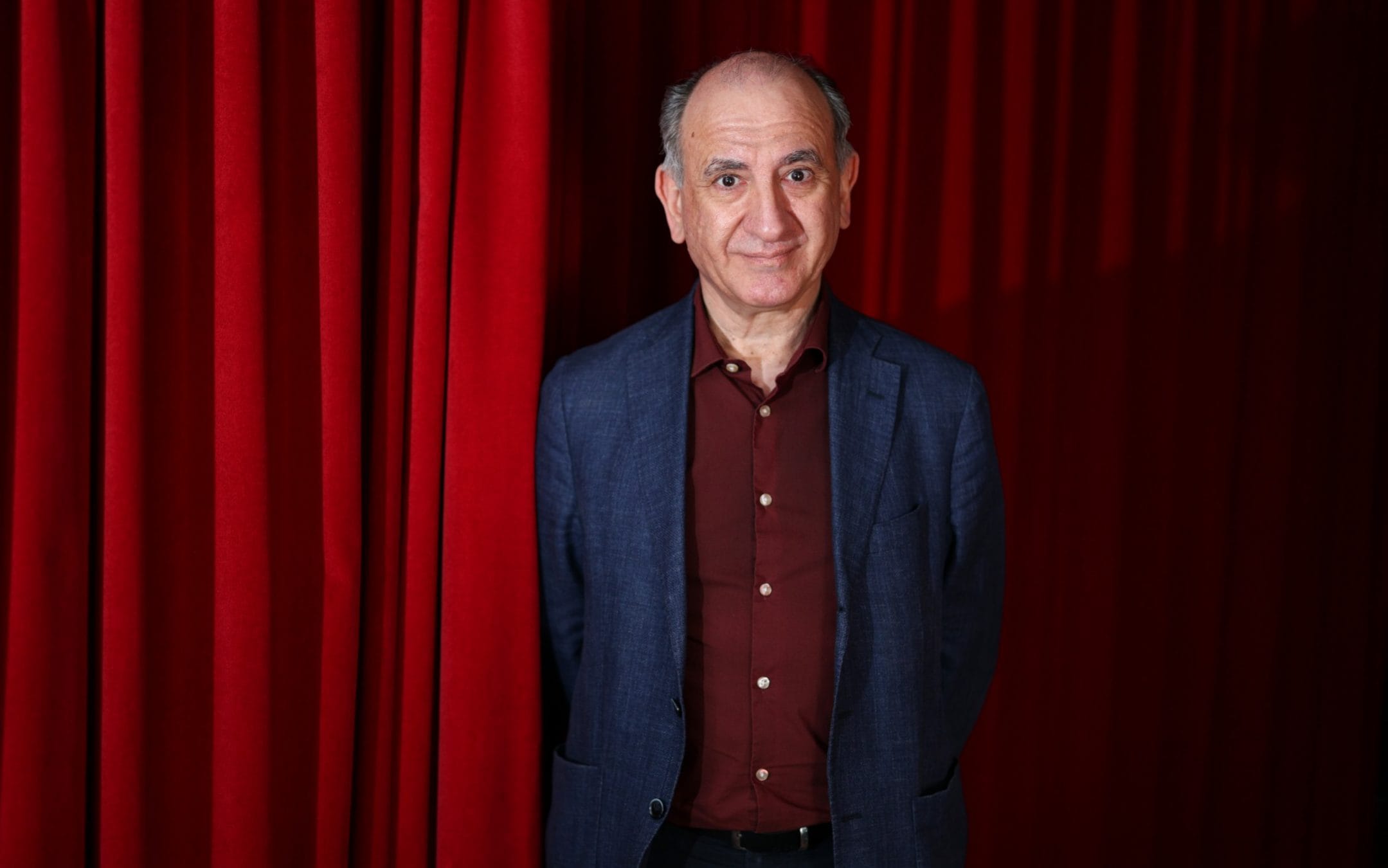
Armando Iannucci was on the show Strong Message Here with Mr Lee - Getty Images
The Union was engulfed in a row after The Telegraph revealed that George Abaraonye had shared messages in which he apparently celebrated the shooting of Kirk.
Mr Lee accused Mr Price of saying “There may have been donations withdrawn from the Oxford Union because the bloke criticised Charlie Kirk. There may not be. But, if there have been, blah, blah, blah…”
He went on to accuse Mr Price, who is a research fellow at the Centre for Policy Studies and a former senior Tory adviser, of “fabulo-speculation” – a made-up term for using speculation to create false narratives.
His comments referred to an LBC interview about the Oxford Union scandal in which Mr Price said: “I think the long-term viability of the place may struggle. I think certain speakers have come out and maybe some of these stories about funding are true, about it being paused.”
Mr Price complained to the regulator that he had been characterised by Mr Lee as a “practitioner of dishonest rhetorical technique”, a depiction he said was “fundamentally wrong”.
He said that in the LBC interview he had responded to a question about donations being withdrawn by answering “honestly that I did not know” before drawing on his own experience of observing that donors had “previously paused donations during earlier controversies”.
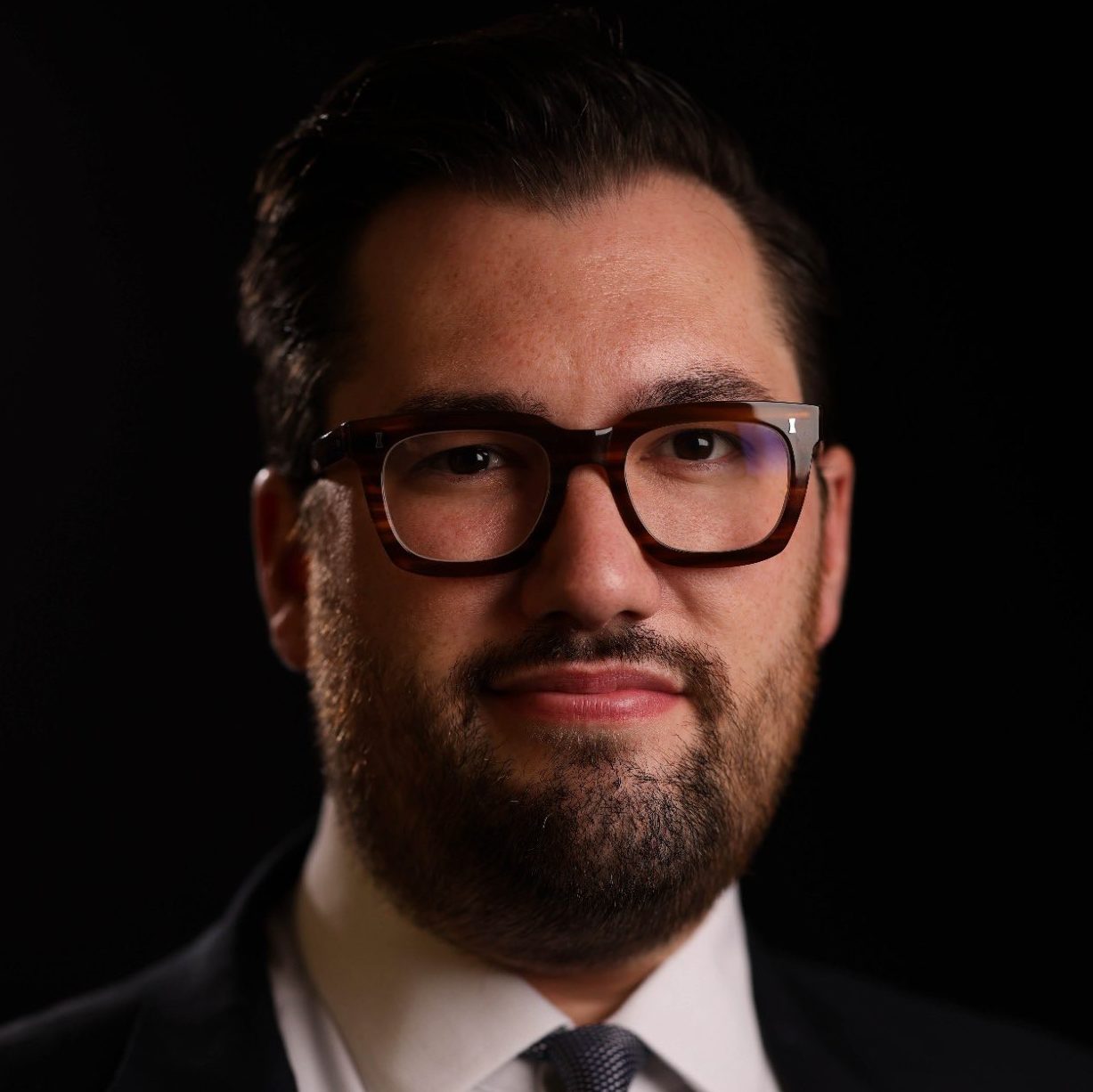
James Price said he had been portrayed as a ‘practitioner of dishonest rhetorical technique’
He also complained he had been falsely identified as being a member of “Concerned Alumni of the Oxford Union”, who reportedly waged a campaign against Mr Abaraonye’s presidency.
He added that “the failure to offer any right of reply cannot be justified on the grounds that this was a comedy programme”.
The BBC carried out its own internal investigation that concluded the programme was unfair to Mr Price, and it wrote to him to apologise.
The broadcaster said that although the programme did not explicitly accuse Mr Price of lying, it “conveyed a strong implication that he had raised the possibility of funding being withdrawn without any evidential basis and as part of a rhetorical technique designed to advance a particular narrative”.
Advertisement
It also removed the section of the episode referring to Mr Price from BBC Sounds and issued a correction, stating that the political commentator is not a member of Concerned Alumni of the Oxford Union.
Issuing its own preliminary response to the complaint, Ofcom said the BBC had “not taken reasonable care to ensure that material acts were not presented, disregarded or omitted in a way that was unfair to Mr Price”.
It said: “The statements made about Mr Price in the programme were significant and had the potential to materially or adversely affect listeners’ opinions of Mr Price in a way that was unfair.”
It added that the broadcaster “had not provided the complainant with an appropriate and timely opportunity to respond, and this led to unfairness because he was not able to challenge the presenter and his guest’s characterisation of his comments in the programme”.
Rosie Kay, co-founder of Freedom in the Arts, said Ofcom’s ruling “raises real concerns for satire and freedom of expression”.
Mr Price complained he was wrongly referred to as a member of Concerned Alumni of the Oxford Union
“There is a world of difference between correcting a factual error and giving someone a right of reply to a joke or satirical attack,” she said. “If broadcasters have to worry that anyone they ridicule might demand a response, comedy will inevitably become more cautious.
“Britain has a long and proud tradition of satire, from Hogarth’s caricatures to today’s political comedians. Its strength comes from the freedom to mock, provoke and challenge public figures without having to seek their permission first.
“Ofcom is right to recognise the importance of freedom of expression. That principle needs to be applied especially carefully to satire, where exaggeration and ridicule are part of the point.
“We cannot end up in the situation where every joke could potentially be treated as a grievance. That would have a chilling effect on British comedy and weaken a tradition that has been part of our culture for centuries.”
Mr Price said: “This has absolutely nothing to do with suppressing free speech or censoring comedy; free expression includes the right of reply, and at no point did I ask for a single ‘joke’ to be cut if any were actually made (I must have missed them).
“‘Freedom in the Arts’ are quite right that there is a world of difference between correcting a factual error and giving someone a right of reply to a joke, but they have got entirely the wrong end of the stick here because that has been precisely the complaint I have made and that has been upheld.
“The premise of the BBC’s programme is supposed to be taking things that people in politics have said, dissecting them, and then taking the mickey, fine. But their starting point with me was to claim I said something that I didn’t, and to tell the audience I belonged to an organisation that I don’t.
“It is absurd to suggest that comedy is in danger by insisting that deliberate falsehoods be corrected and trying to hide behind non-existent comedy as a defence. Hogarth managed satire without inventing facts, and so can the BBC.”
An Ofcom spokesman said: “We do not comment on ongoing fairness and privacy cases.”
The BBC and Mr Lee declined to comment.
Source: “AOL Entertainment”
